How Visuals, Color, and Small Steps Transform Learning
Meet Meredith—CEO of Outrider Gas Transports and a proud Dyfference Makers board member. Her passion for our mission comes from her own lived experience.
Diagnosed with dyslexia during her freshman year at the University of Tulsa, she learned to read while juggling college coursework—carrying Dick and Jane books around campus, determined not to give up. Years later, when her friends Laken and Kent shared their own child’s struggles in school, Meredith recognized the same barriers she had faced more than 30 years earlier. She joined Dyfference Makers to help ensure students today don’t fight those battles alone.

Now a successful founder with more than 120 CNG trailers running across North America, Meredith channels her resilience into advocacy—sharing practical strategies that help dyslexic and struggling readers thrive. We are grateful for her leadership, her heart, and her commitment to making a true dyfference.
Below, we’ve paired her personal wisdom with research-backed note-taking strategies designed for middle and high school students who learn differently.
See the Big Picture
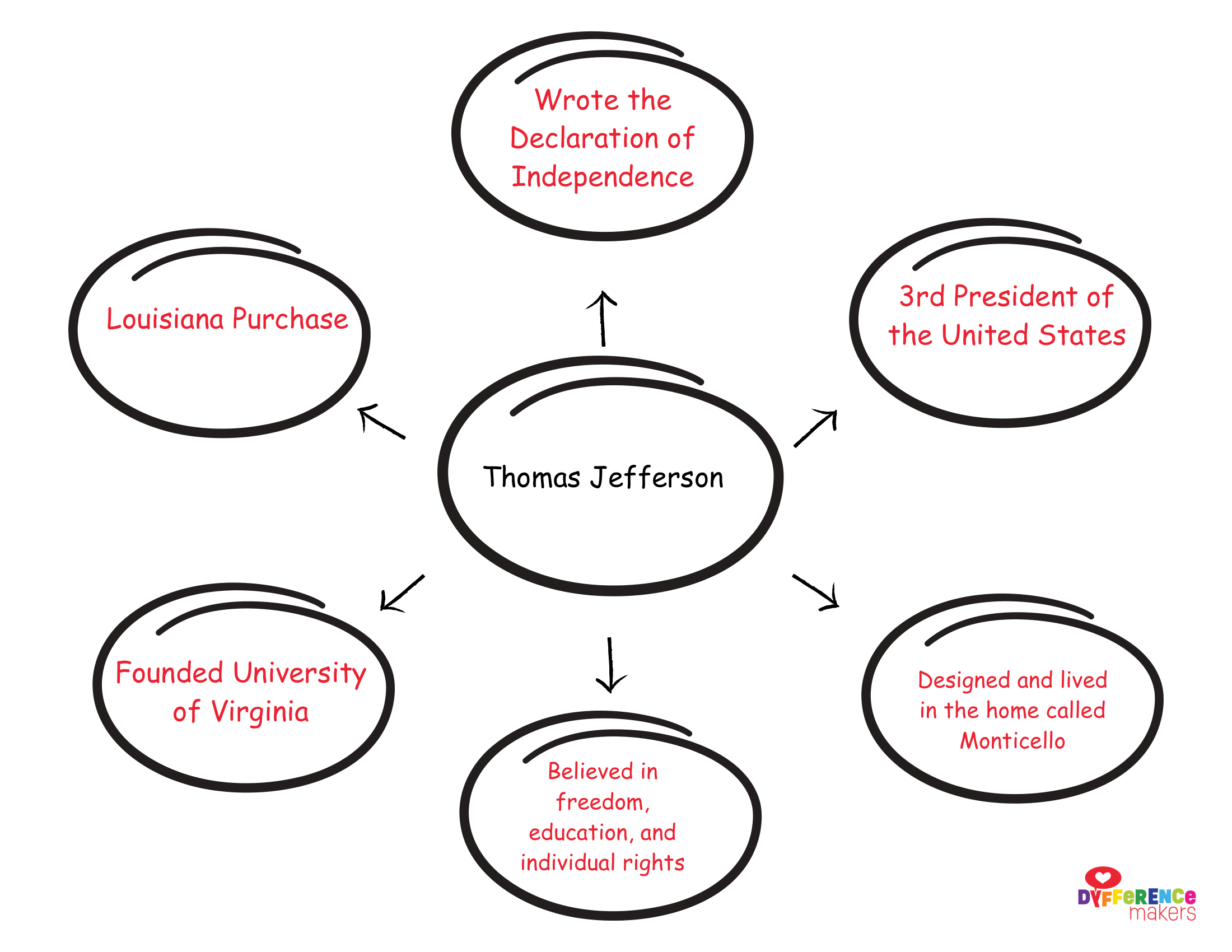
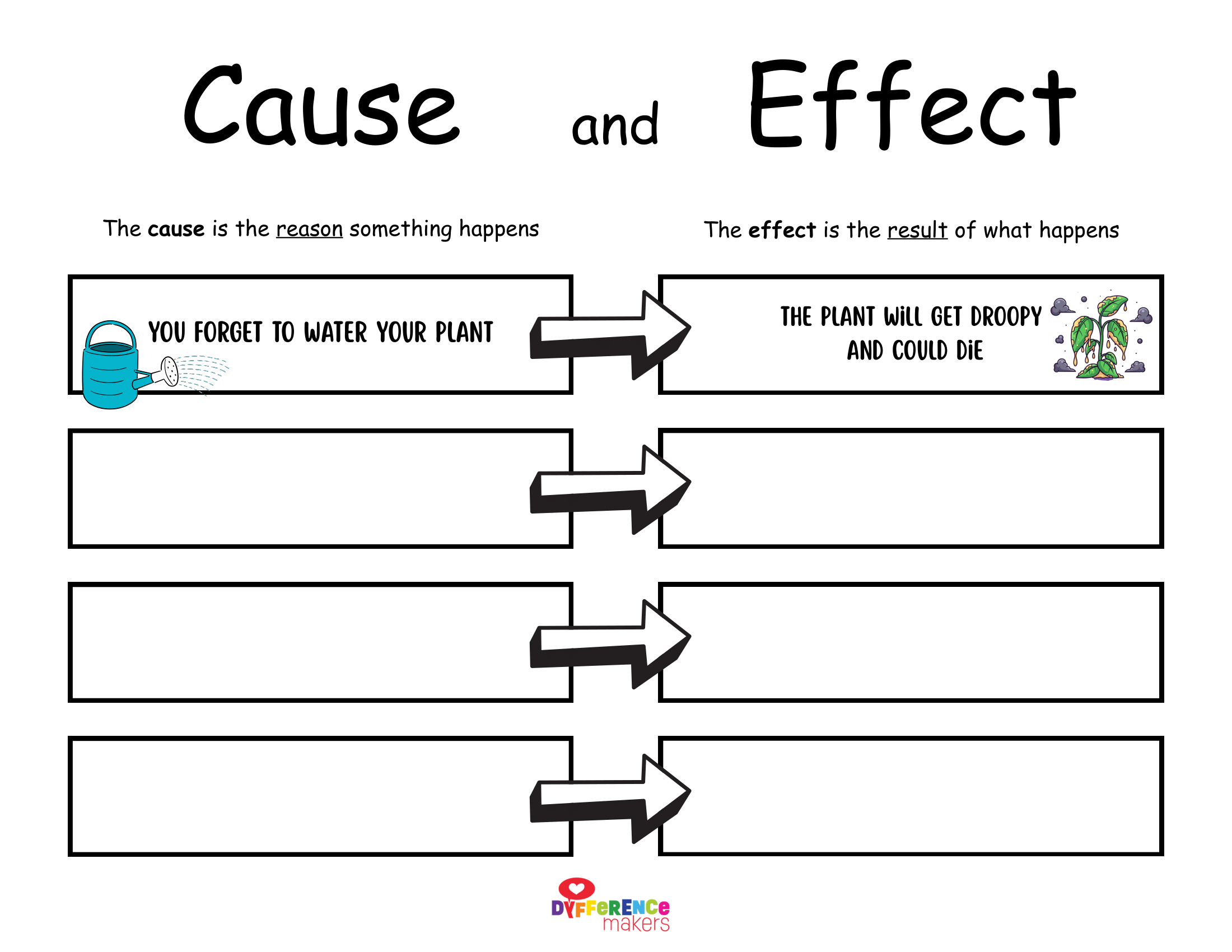
When teachers talk fast or textbooks feel overwhelming, graphic organizers can help. They turn information into visuals that your brain can process more easily.
Try using:
- Main Idea Webs – great for breaking down big topics
- Timelines – helpful for history, steps, or story plots
- Cause and Effect Charts – perfect for science and social studies
Add icons, arrows, or small drawings to make the information stick.
(Click the images below to enlarge. The accompanying PDFs are free to download and listed at the bottom of this post.)

Break Information Into Chunks
Big assignments can create anxiety—and that can stop you before you even start. Breaking tasks into smaller, achievable steps helps you move forward without feeling overloaded.
Meredith uses this exact strategy in her daily life:
“To really remember, I read important stuff with a ruler. When studying, I would break the stuff into chunks because viewing everything at once was overwhelming and would make me avoid it. If I had 100 pages to read, I’d tell myself, ‘Just do 10.’ Usually, I’d read more, but that’s the trick I play with my ADHD.”
She added: “The phrase ‘eat the elephant one bite at a time’ comes to mind when taking on big tasks. I have to make it manageable.”
Apply this to your notetaking:
- Divide your page into sections
- Write short phrases, not full sentences
- Pause after each paragraph to jot one key idea
When you chunk the task, the task stops feeling impossible.

Use Color to Stay Organized
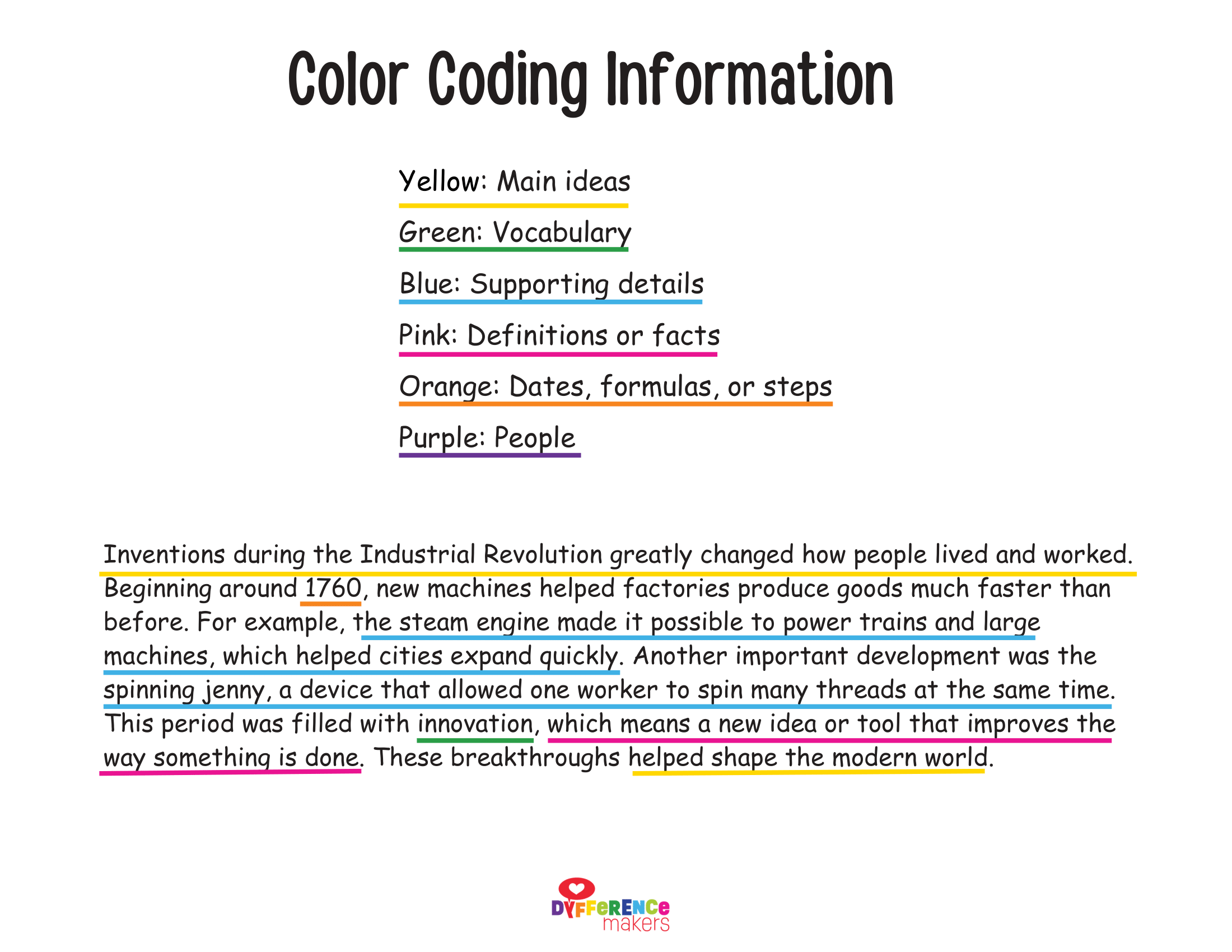
Color-coding helps your brain find information faster — especially when reviewing later.
Try this simple system:
- Yellow: Main ideas
- Green: Vocabulary
- Blue: Supporting details
- Pink: Definitions or facts
- Orange: Dates, formulas, or steps
Keep your colors consistent so your brain recognizes the pattern.
Make Your Notes Visual
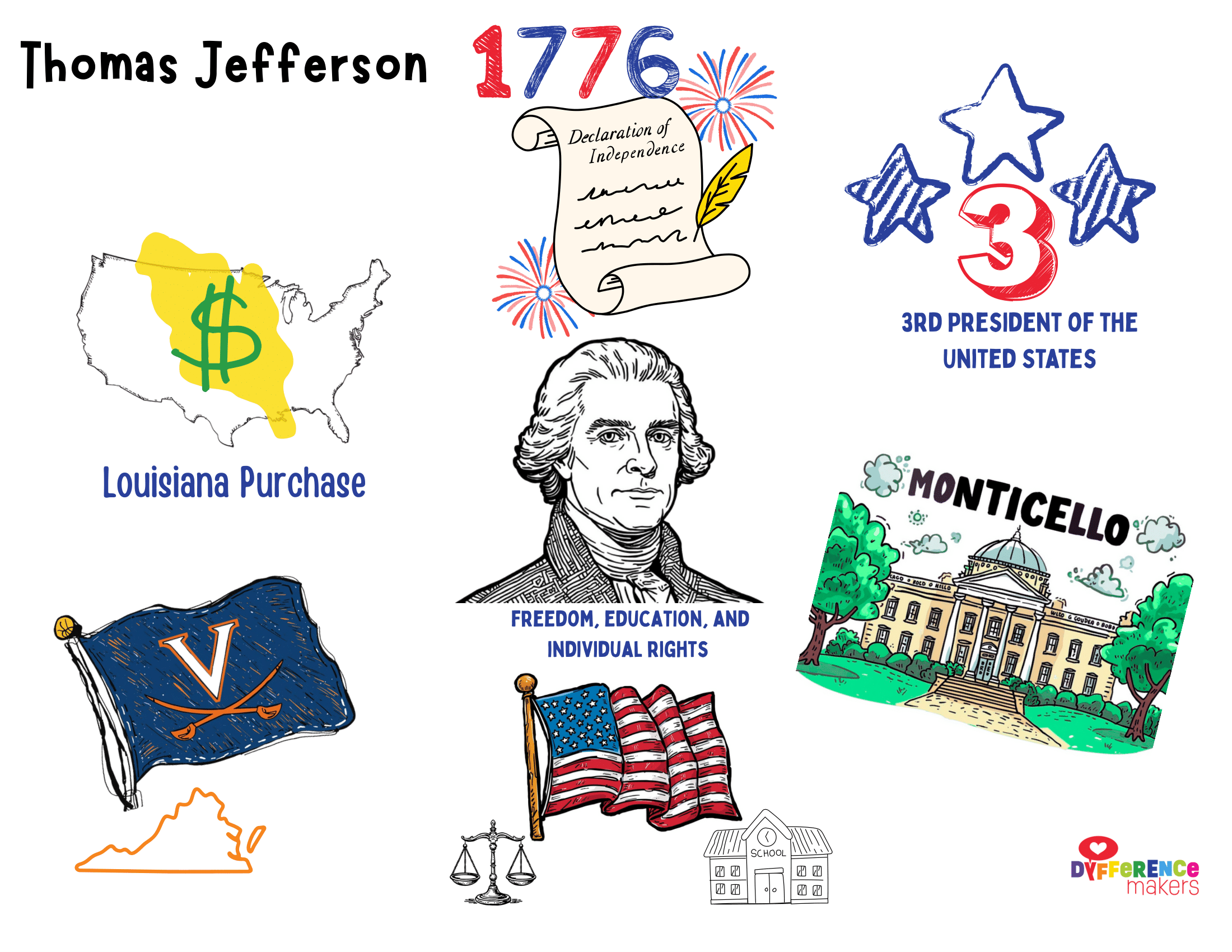
If you’re a visual learner, drawing isn’t optional — it’s powerful.
Try:
- Sketches
- Icons
- Flow arrows
- Quick diagrams
Digital tools like Google Slides, Canva, or Jamboard can help make visual notetaking easier and more engaging.
Set Small, Realistic Goals
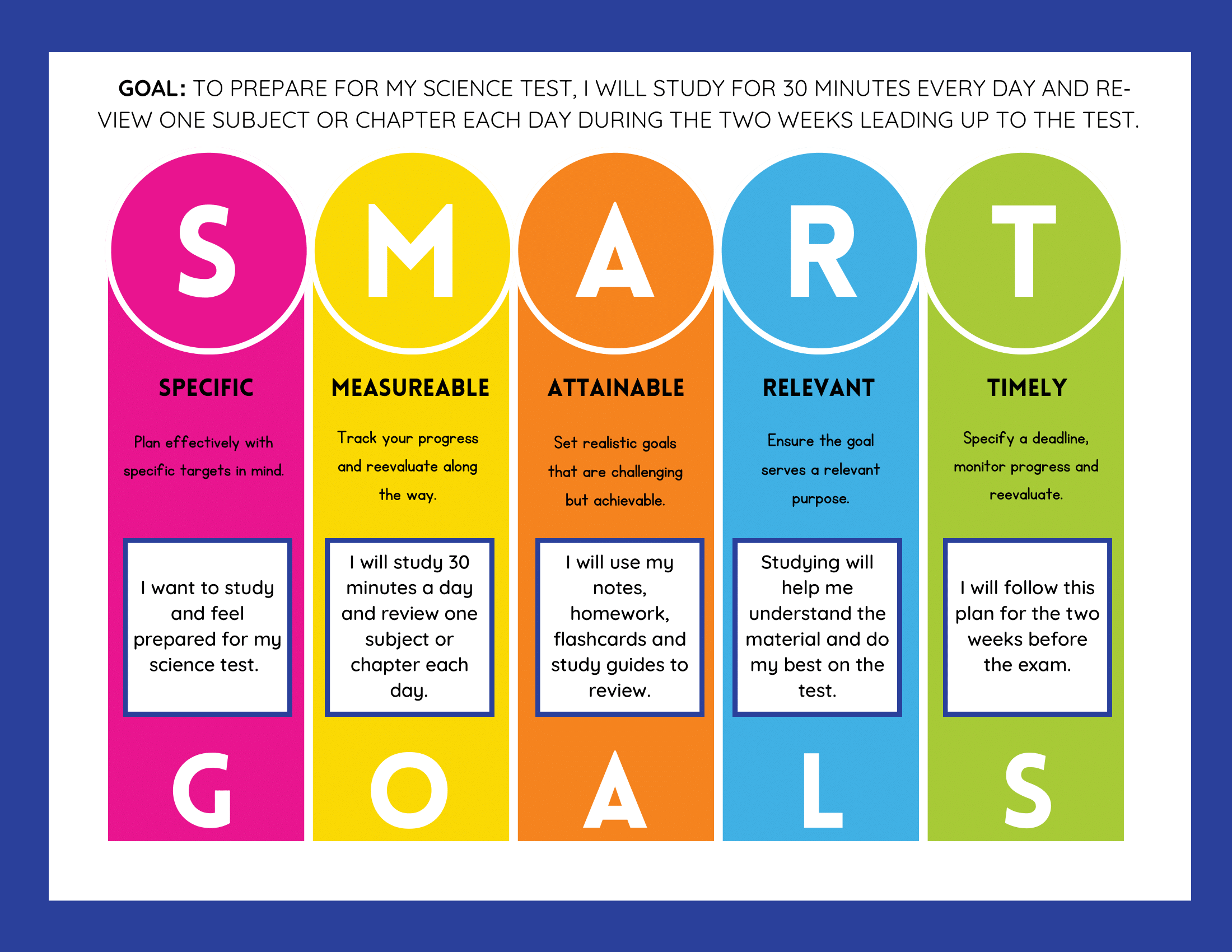
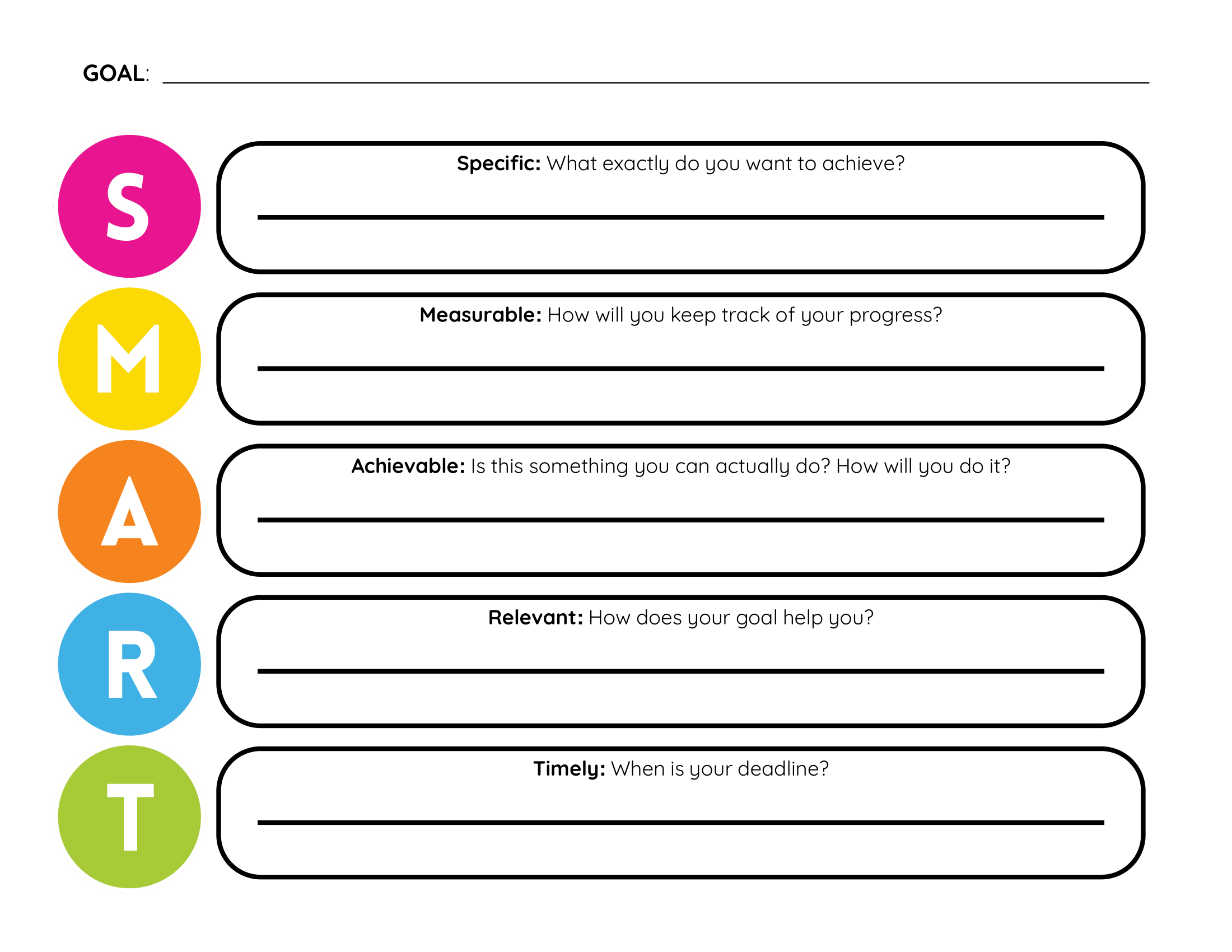
Meredith reminds us that success comes from clear, achievable goals:
“Setting SMART goals—Specific, Measurable, Achievable, Realistic, and Timely — has helped me a lot. It keeps me from feeling lost.”
Meredith also shared a powerful mindset shift for getting started:
“I have to constantly remind myself, even today, what comes first — action or motivation? It’s always action.
When I’m stuck, I set a timer for 5 minutes and tell myself, ‘You can do anything for 5 minutes.’ Usually that’s enough to get me going, and I finish the damn thing.”
Sometimes five minutes is all your brain needs to find momentum.
If you’re dyslexic or a struggling reader, you don’t need to take notes like everyone else.
You need tools that work with your brain — not against it.
Visuals, color, chunking, and small steps can turn notetaking from stressful to manageable — and even empowering.
You’re not just writing notes.
You’re learning how to learn.
Downloadable PDFs
Cause & Effect
Timeline
Web Map
Chunking
Color Coding
Visual Sketch
SMART Goal Setting